Lanternfly Control
"We Keep the Lanternflies Off Your Property!"
Professional Lanternfly Control
Protect Your Trees, Shrubs & Landscape from Spotted Lanternflies
The spotted lanternfly (SLF) is an invasive planthopper insect on Long Island that poses a serious threat to trees, shrubs, grapevines, and other landscape plants. While it may resemble a moth or “fly” when jumping, it is neither — it is a sap-feeding pest that can weaken plants, cause dieback, and produce sticky honeydew that attracts other insects and fosters sooty mold.
At Environmental Design Group, our professional Lanternfly Control services are designed to protect your landscape from damage, reduce populations, and preserve plant health with targeted, science-based treatments.

Get a Free Quote
Free Quote - Lanternfly Control
We will get back to you as soon as possible.
Please try again later.


What Is the Spotted Lanternfly?
- SLF is a large, non-native planthopper first discovered in Berks County, PA in 2014.
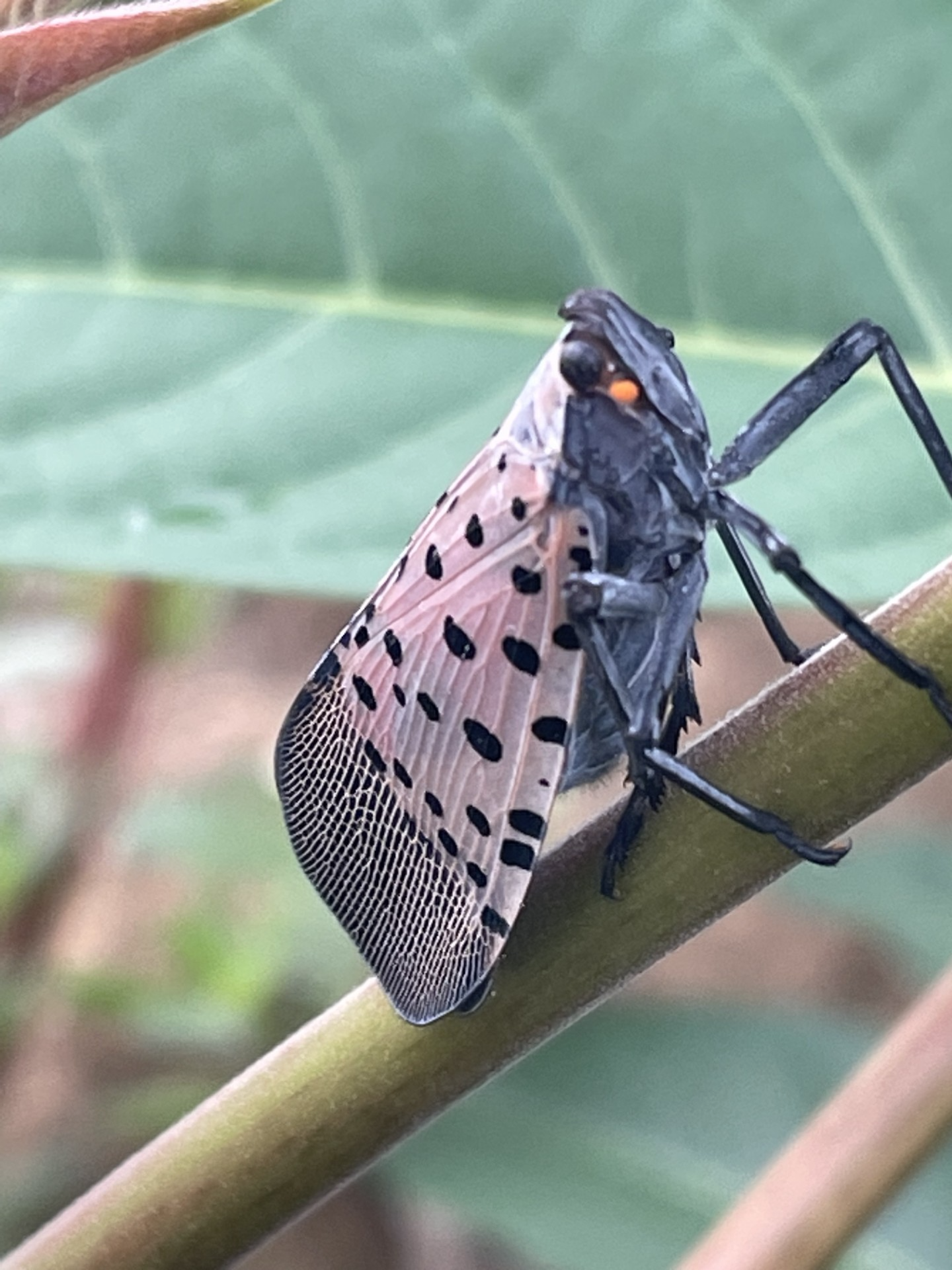
- Adult lanternflies are about 1" long, gray with dark spots, and primarily feed on trees of heaven, while nymphs feed on a wide variety of trees, shrubs, fruits, and grapevines.
- While it does not attack humans, pets, structures, or homes, heavy infestations can seriously weaken plants, reduce vigor, and sometimes cause dieback.
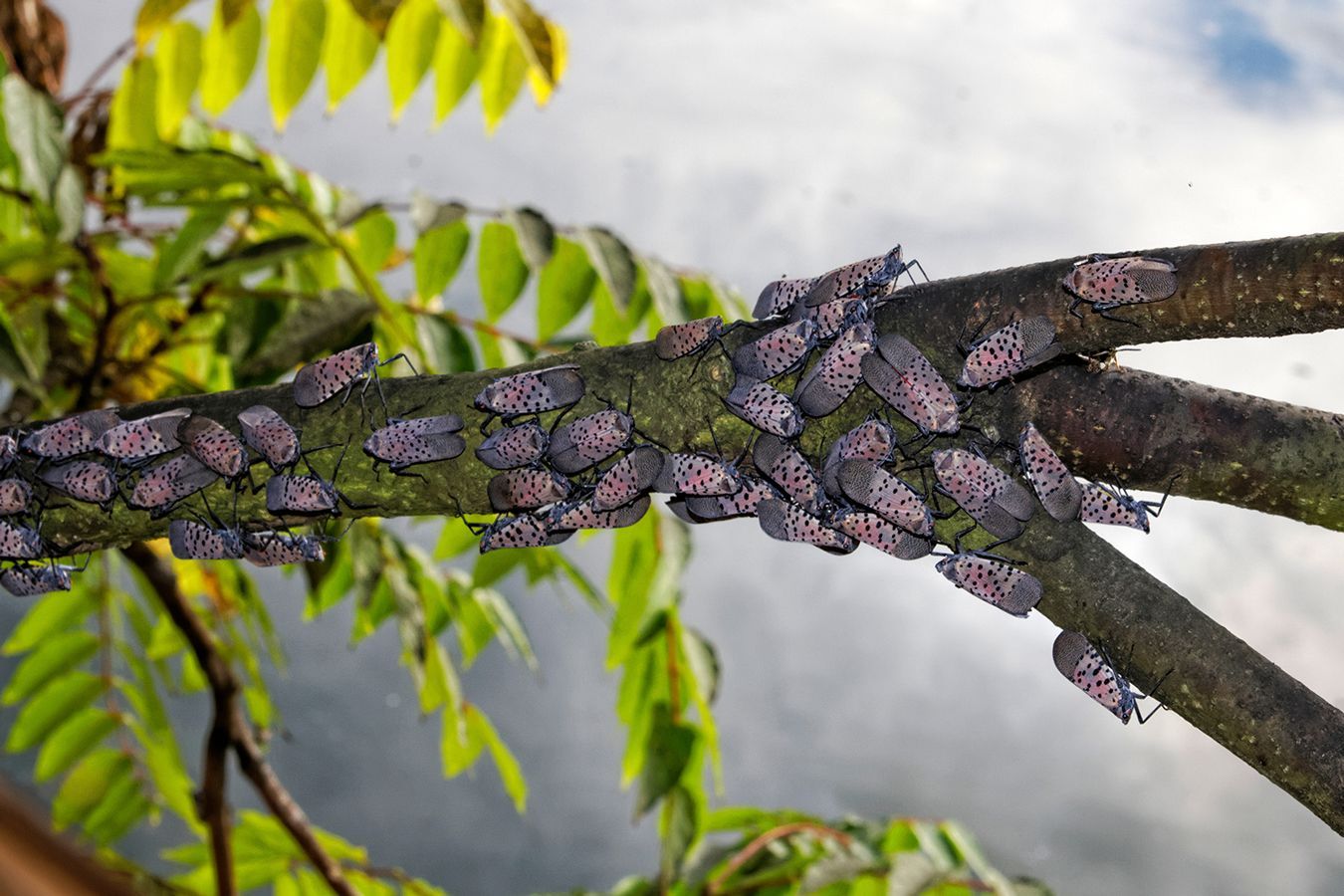
- High numbers of lanternflies produce sticky honeydew, which can attract ants, flies, and other insects, while fostering sooty mold that damages the appearance of plants.
Seeing Lanternflies? Take Action Now!
Even a small number of lanternflies can quickly turn into a larger problem. Our expert control solutions help eliminate active infestations and prevent future damage, so you can enjoy your outdoor space without worry.
Our Lanternfly Control Services
Property Assessment & Risk Evaluation
We evaluate your property for lanternfly activity, identify vulnerable plant species, and determine infestation levels to create a customized control plan.
Targeted Treatments
Using EPA-registered, professional-grade products, we treat plants at the proper life stages to reduce lanternfly populations and protect plant health.
Plant Health Support
Stressed plants are more vulnerable to pest damage. Our programs often pair control treatments with plant health strategies to strengthen resilience and recovery.
Ongoing Monitoring & Seasonal Control
Lanternfly populations shift throughout the season. We provide follow-up treatments and monitoring to maintain control and prevent reinfestation.

Plants Most At Risk
Spotted lanternflies have an unusually wide host range, including dozens of common trees, shrubs, and vines. Some of the most affected plants are:
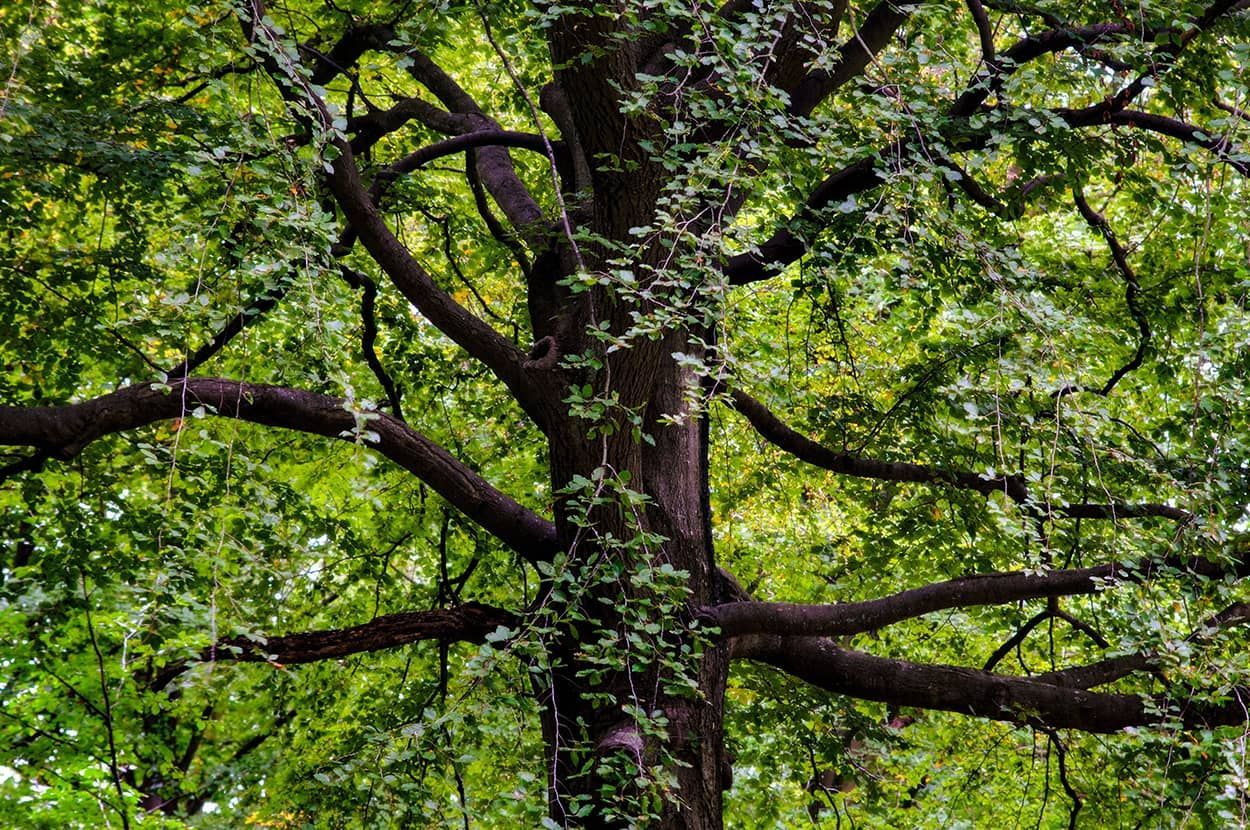
- Tree of heaven (their preferred host)
- Grape vines
- Red and silver maple
- Black walnut
- River birch
- Hops, willow, and sumac
Spotted Lanternfly Quick Reference Guide
Life Cycle
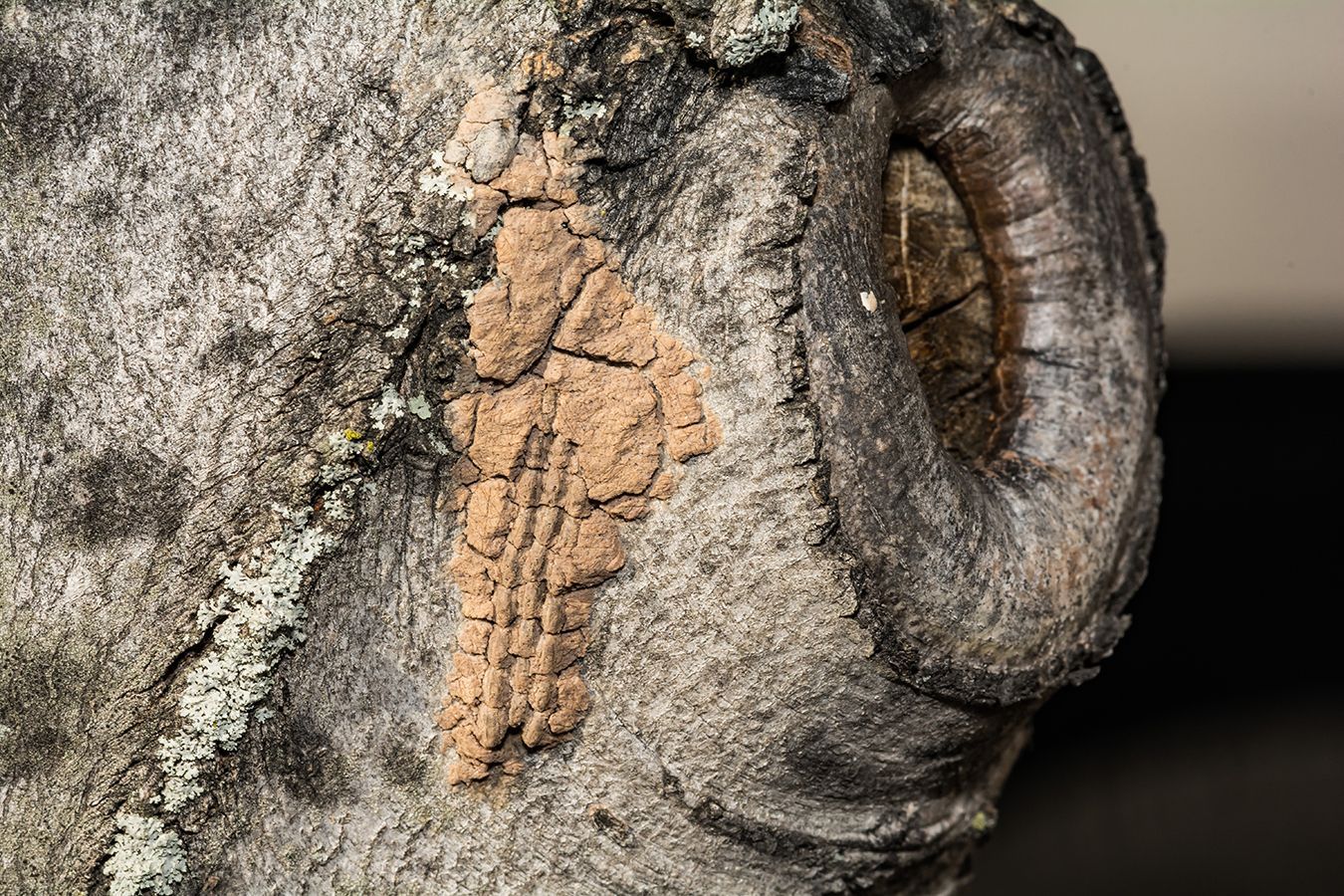
- Egg Masses – Brownish-gray, laid on trees, stones, and outdoor objects in fall; hatch in spring.
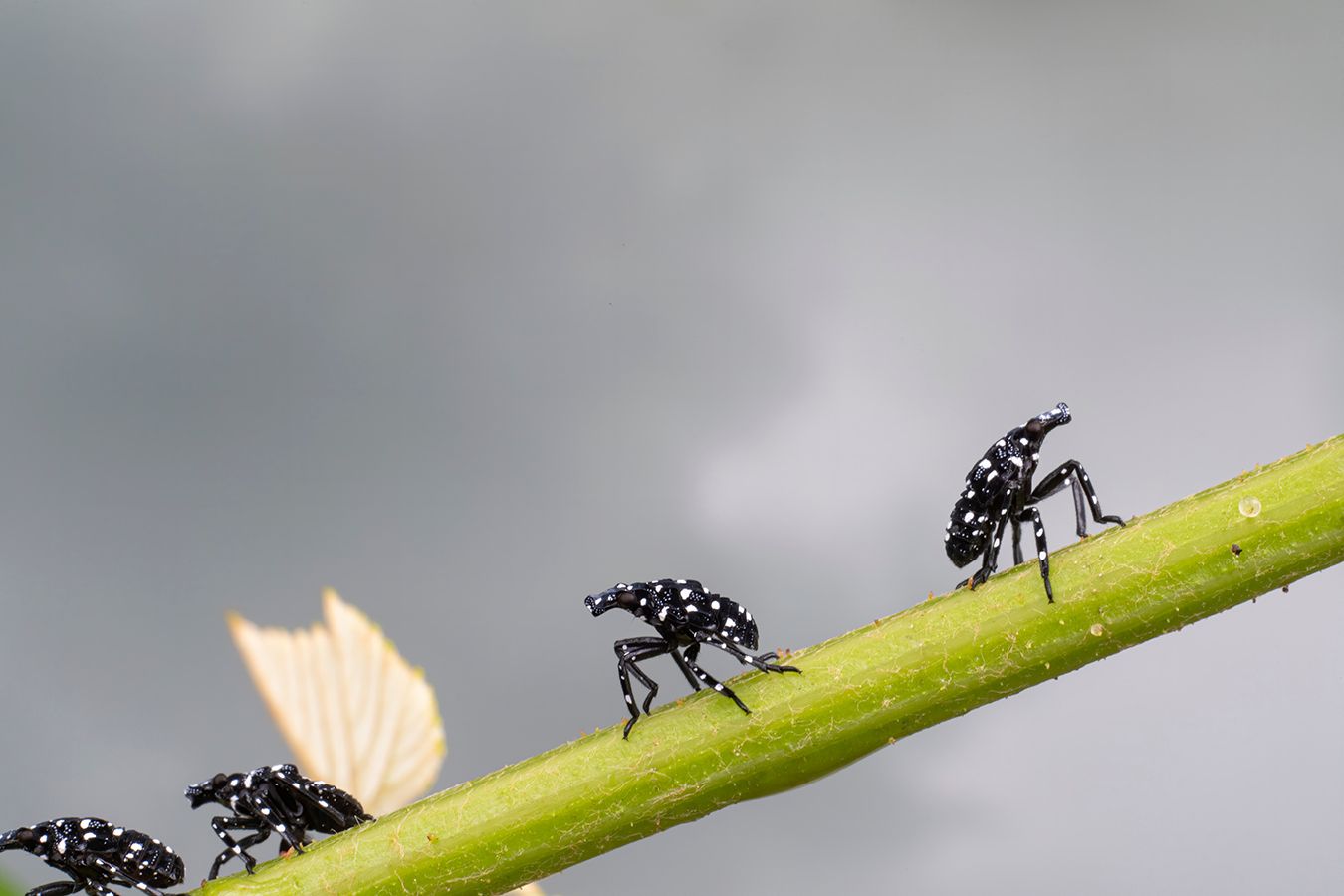
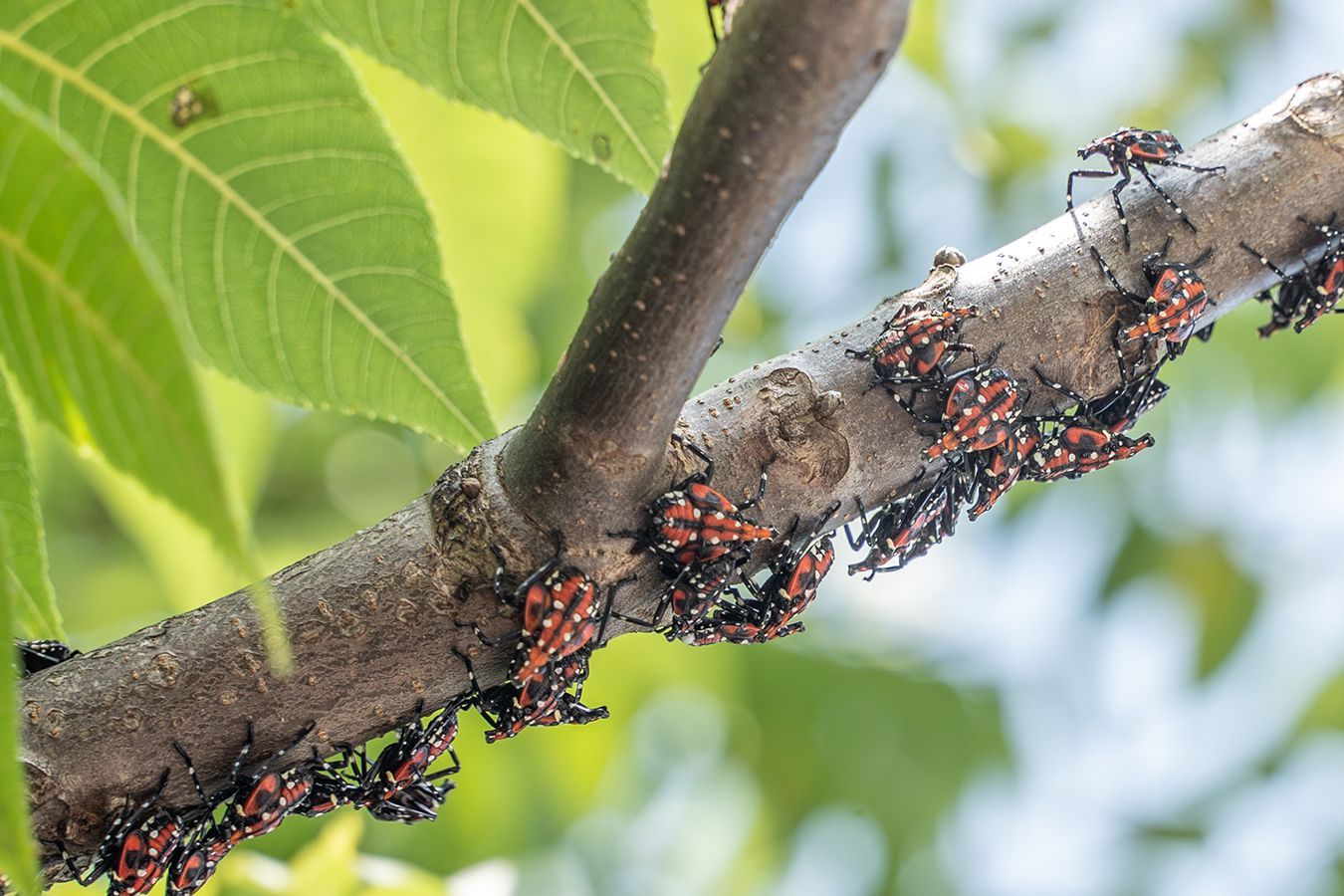
- Nymphs – Small, black with white spots, progressing through several stages; feed on a wide range of plants.
- Adults – ~1” long, gray with black spots; primarily feed on Tree of Heaven, but nymphs feed on many species.
- Peak Activity – Spring through fall; adults most visible late summer to early fall.
Common Problems
The Spotted Lantern Fly doesn’t bite humans or pets—it’s harmless to us—but it does wreck havoc on plants by feeding on sap, weakening trees and shrubs. Its big downside? The sticky, sugary honeydew it poops out, which attracts Sooty Mold and Yellowjacket bees, then coats everything and turns patios, cars, and structures into a nasty mess.
Warning Signs of Infestation
- Sticky honeydew on leaves, branches, and surrounding surfaces
- Black sooty mold growth on plants beneath feeding areas
- Wilting, dieback, or unusual stress in trees and shrubs
- Visible nymphs or adults on tree trunks, vines, or leaves
What to Do
- Early detection is critical — inspect trees, shrubs, and surrounding areas regularly.
- Professional intervention is recommended for control and to prevent further plant stress.