
Arborvitae Health Care on Long Island
"We Save Arborvitaes!"
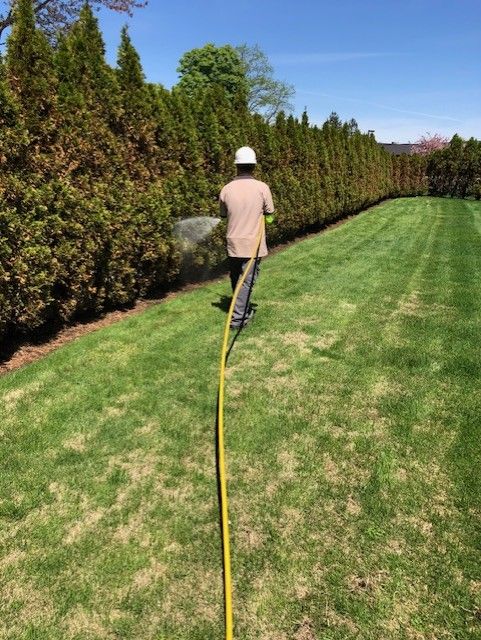
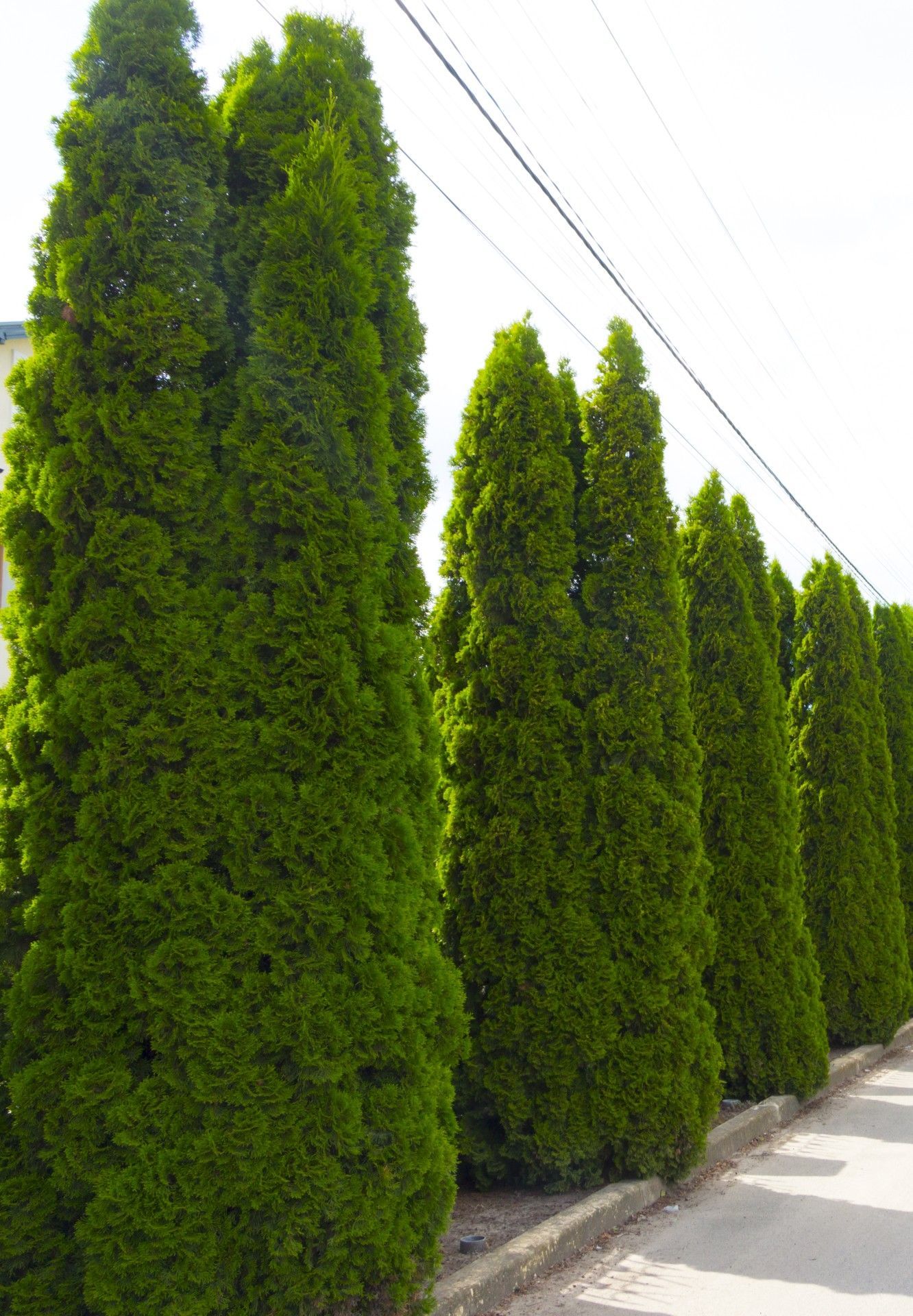
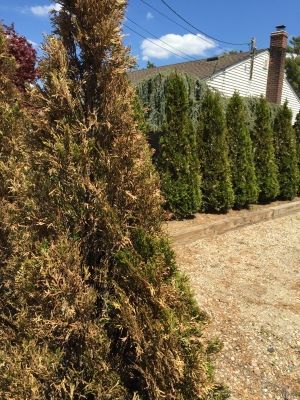
Before Treatments
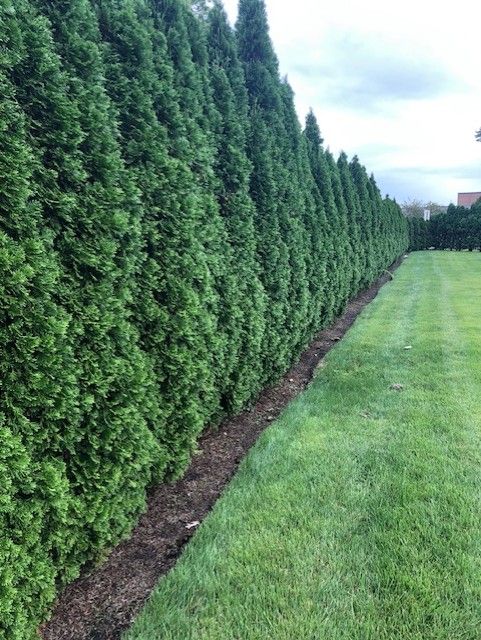
After Treatments
Get a Free Quote
Free Quote - Arborvitae Care
We will get back to you as soon as possible.
Please try again later.
Expert Diagnosis & Treatment
Specialized Protection for One of Long Island’s Most Popular Evergreens
Arborvitae trees and shrubs on Long Island are routinely stressed by a complex of insects, diseases, adverse environmental conditions, and poor cultural practices. Diagnosing plant disorders involves a merging of knowledge, experience, and astute observation. Since arborvitae planting is so prolific in this region, infected plants are usually not far from your property. Thus, arborvitaes require continuous monitoring for various biotic and abiotic stressors.
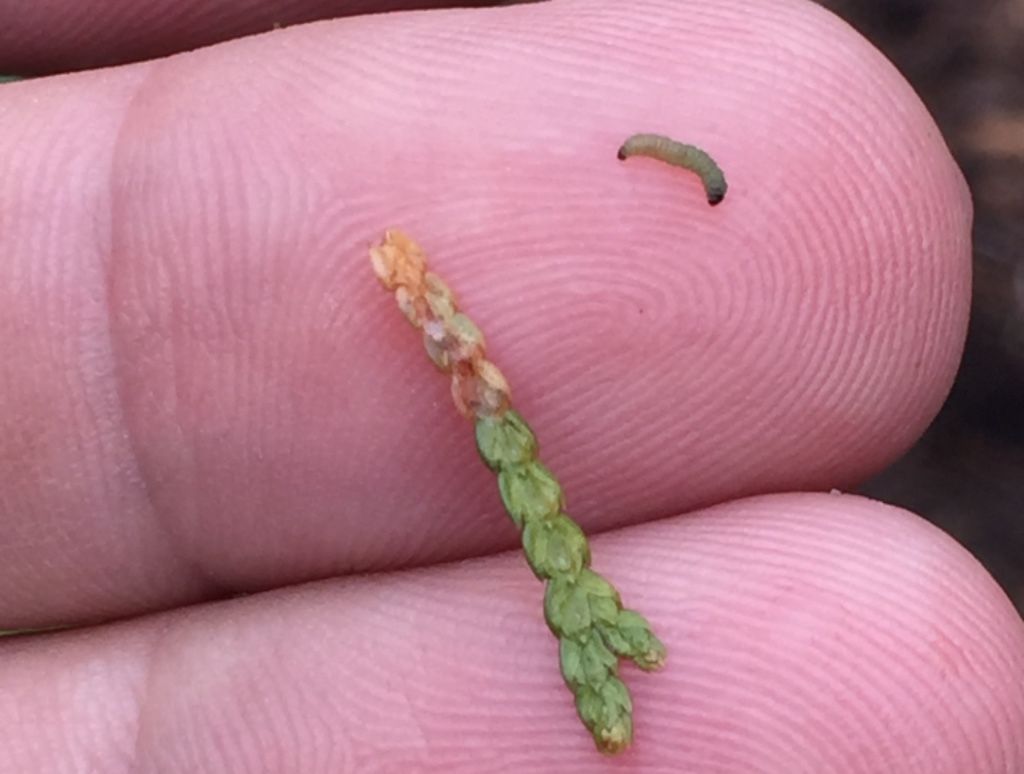
Arborvitae leafminer (Argyresthia Thuiella) is a destructive insect here in the North East. In its larve stage, the ¼" long caterpillar inflicts damage by tunneling in the arborvitaes foliage, giving rise to yellow and then brown leaf dieback. This change in color is often misdiagnosed as evergreen winter burn. Within the tunnels of the arborvitae's scale-like foliage, the leafminer will feed and eventually pupate into its adult stage as a ⅓" long silvery moth. Arborvitae leafminer produce one generation annually. Complete defoliation of consecutive years of leafminer feeding can lead to plant mortality.
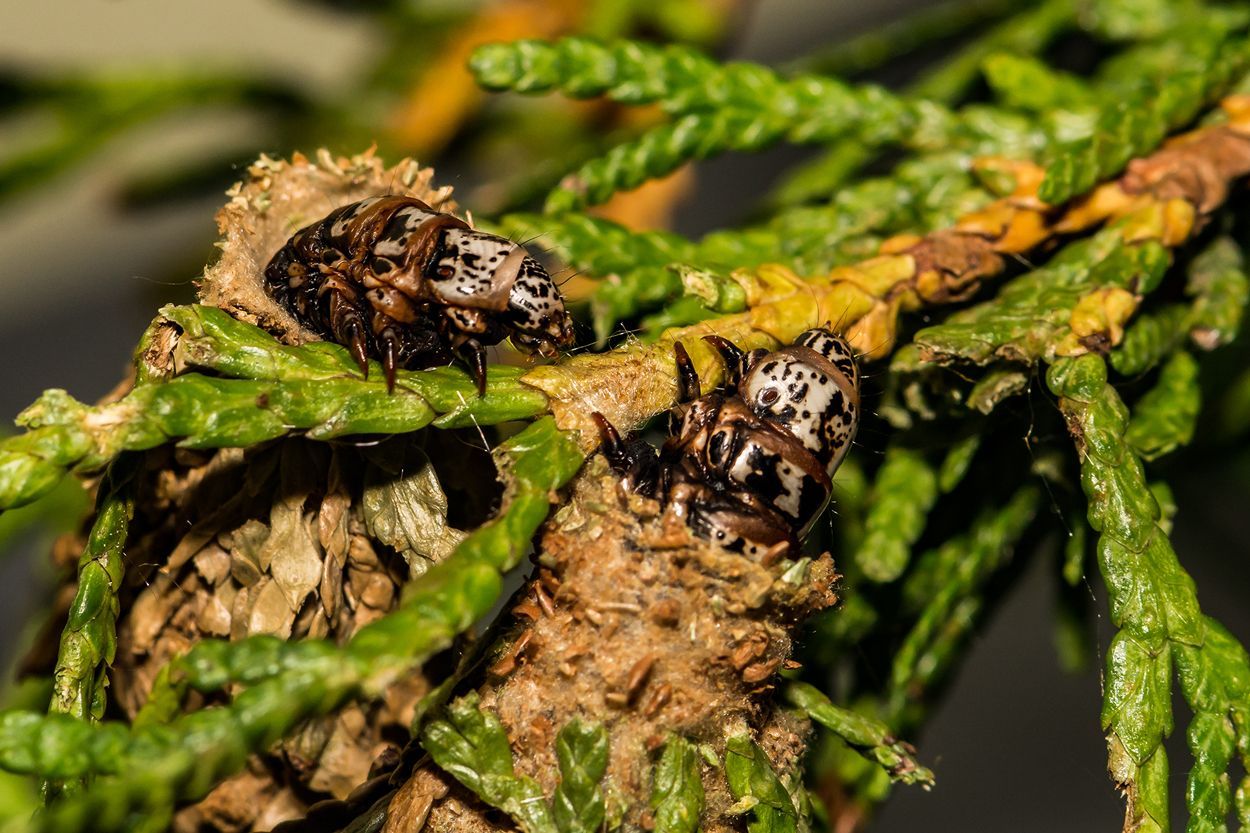
Bagworms are attracted to arborvitae as well as many other evergreens and deciduous trees. Early detection of bagworm requires careful examination of key plants, for the presence of small inconspicuous cocoons the larvae create from its silk and host plant foliage. Unfortunately these larvae infestations go undetected until the bagworm is fully developed and severe feeding damaged has occurred. Complete defoliation of consecutive years of bagworm feeding can lead to plant mortality.
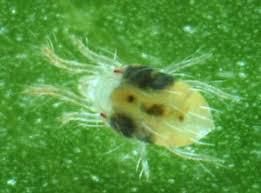
Spidermites cause damage by piercing and sucking the chrolophyll from the host plant's leaves and needles. When arborvitaes start to lose that dark green luster they once had, spidermites may be the reason. Spruce spidermites and the two spotted spidermites are attracted to arborvitae. Under favorable conditions their populations, can build quickly and threaten arborvitae health. There can be as many as twenty generations annually. If infestations go unchecked, spidermites cause yellowing, browning of foliage, and eventually dieback.
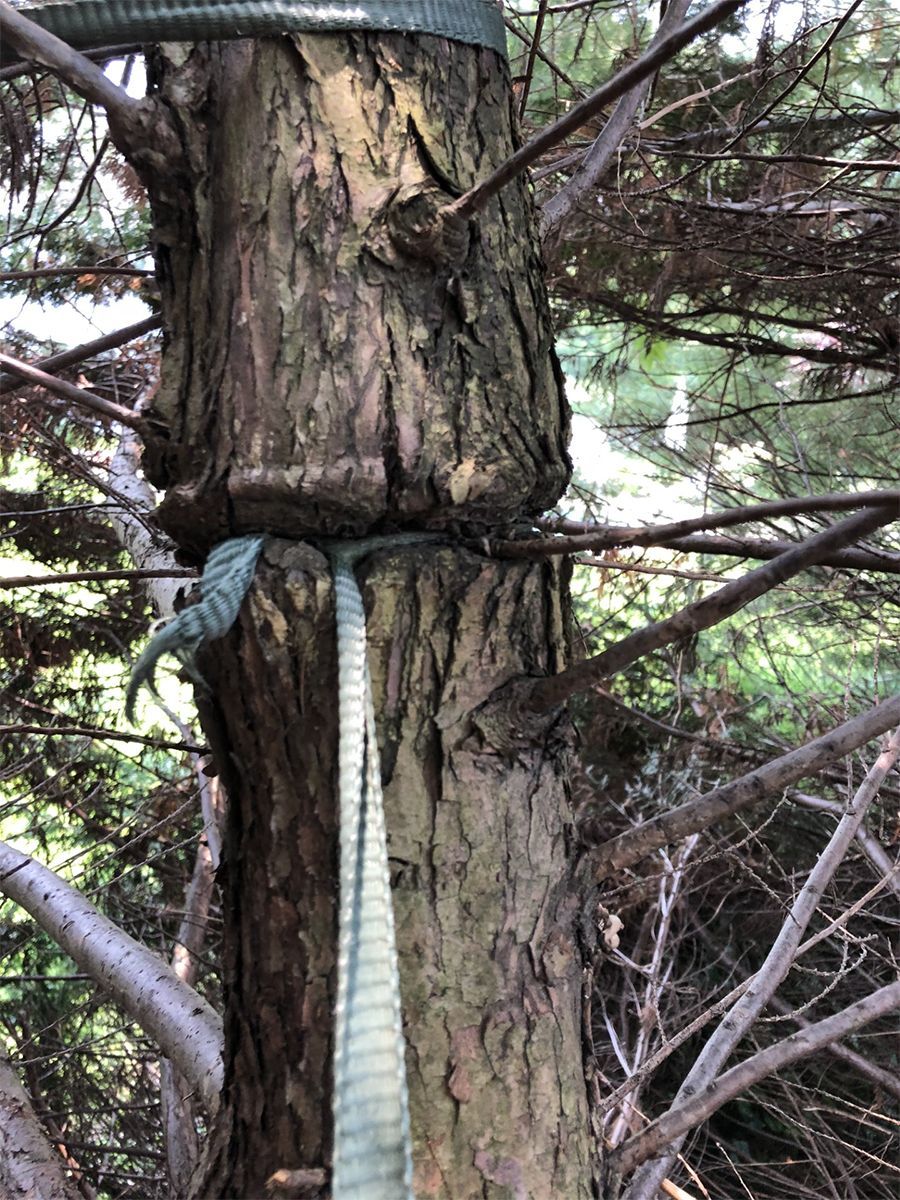
Abiotic Plant Disorders are frequently the underlying cause for insect and disease outbreaks. The arborvitaes genetic defences often become weakened from poor cultural practices and environmental pressures, leaving them vulnerable to predatory insects and pathogens. A few nonliving stressors that can diminished plant health are discussed here. Compacted soils have reduced pore space, which is needed for oxygen, water, microbial life and the exchange of cations. Mineral Deficiencies happen when an insufficient amount of essential elements are at hand. Soil PH plays an important role in nutrient availability. If the PH is out of range, some elements will not be available for uptake and others may be at toxic levels. Improper planting and watering can prompt soil pathogens to invade the trees root flare, resulting in decay and collar rot. Girdling occurs when trunks and roots become strangled by neglected support cables, balling rope, and even from the tree's own roots.
The failing health of trees and shrubs is almost always due to a complex of biotic and abiotic disorders, therefore all stress factors experienced throughout the plant's life should be considered when forming a diagnosis and implementing a plan of action.
- Tree Spraying
- Deep Root Feeding
- Pest Identification
- Insect & Disease Management
- Soil PH & Mineral Corrections
- Systemics & Trunk Injections
- Organic Treatments
- Ornamental Pruning
- Mulch, Transplant, Horticulture
Arborvitae Care - Done Right
Get Started Today