
"We Save Arborvitaes!"
New York State D.E.C Certified. 35 Years of Experience.
Expert Diagnosis & Treatment
Specialized Protection for One of Long Island’s Most Popular Evergreens
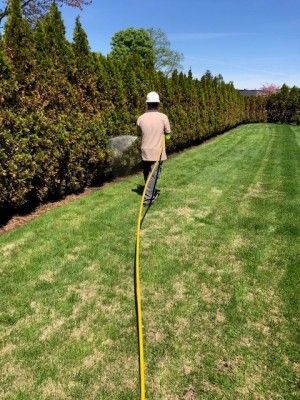
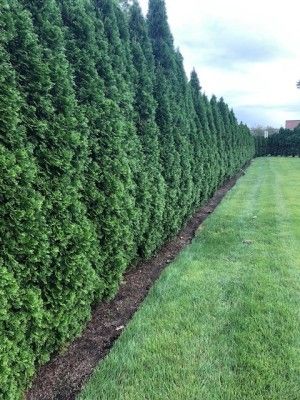
Arborvitae trees and shrubs on Long Island are routinely stressed by a complex of insects, diseases, adverse environmental conditions, and poor cultural practices. Diagnosing plant disorders involves a merging of knowledge, experience, and astute observation. Since arborvitae planting is so prolific in this region, infected plants are usually not far from your property. Thus, arborvitaes require continuous monitoring for various biotic and abiotic stressors.
Get a Free Quote
Free Quote - Arborvitae Care
We will get back to you as soon as possible.
Please try again later.
Common Arborvitae Pests We Treat
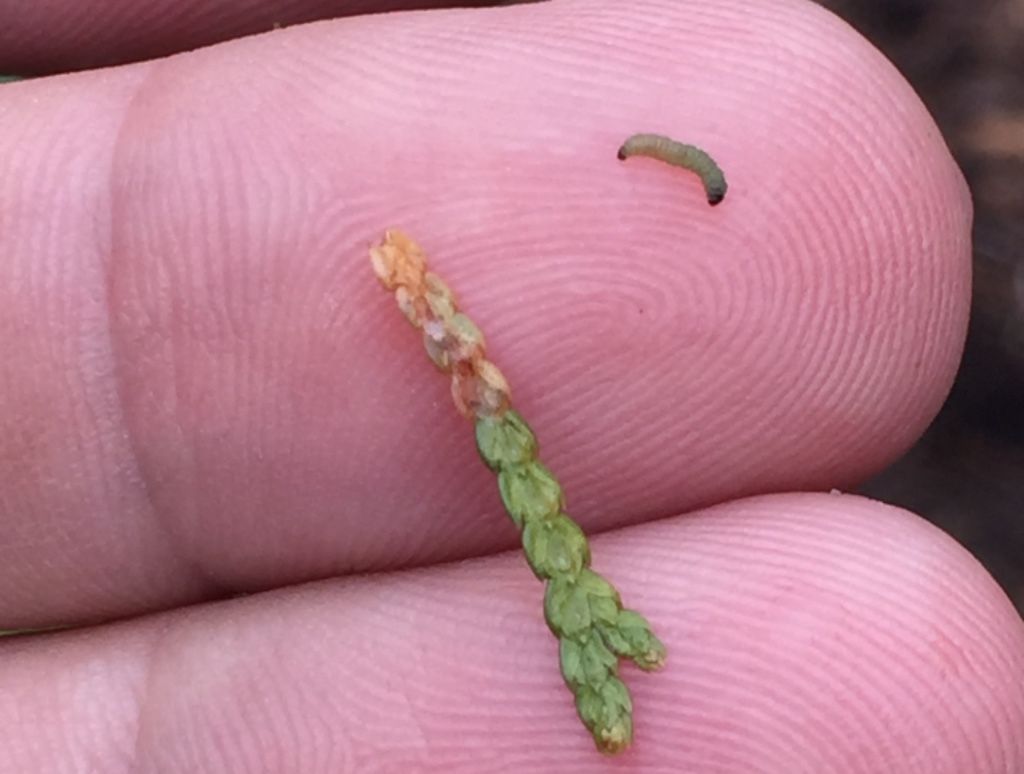
Arborvitae Leafminer (Argyresthia thuiella)
Arborvitae leafminer is one of the most destructive pests affecting arborvitae in the Northeast.
- In the larval stage, the ¼" caterpillar tunnels through the foliage
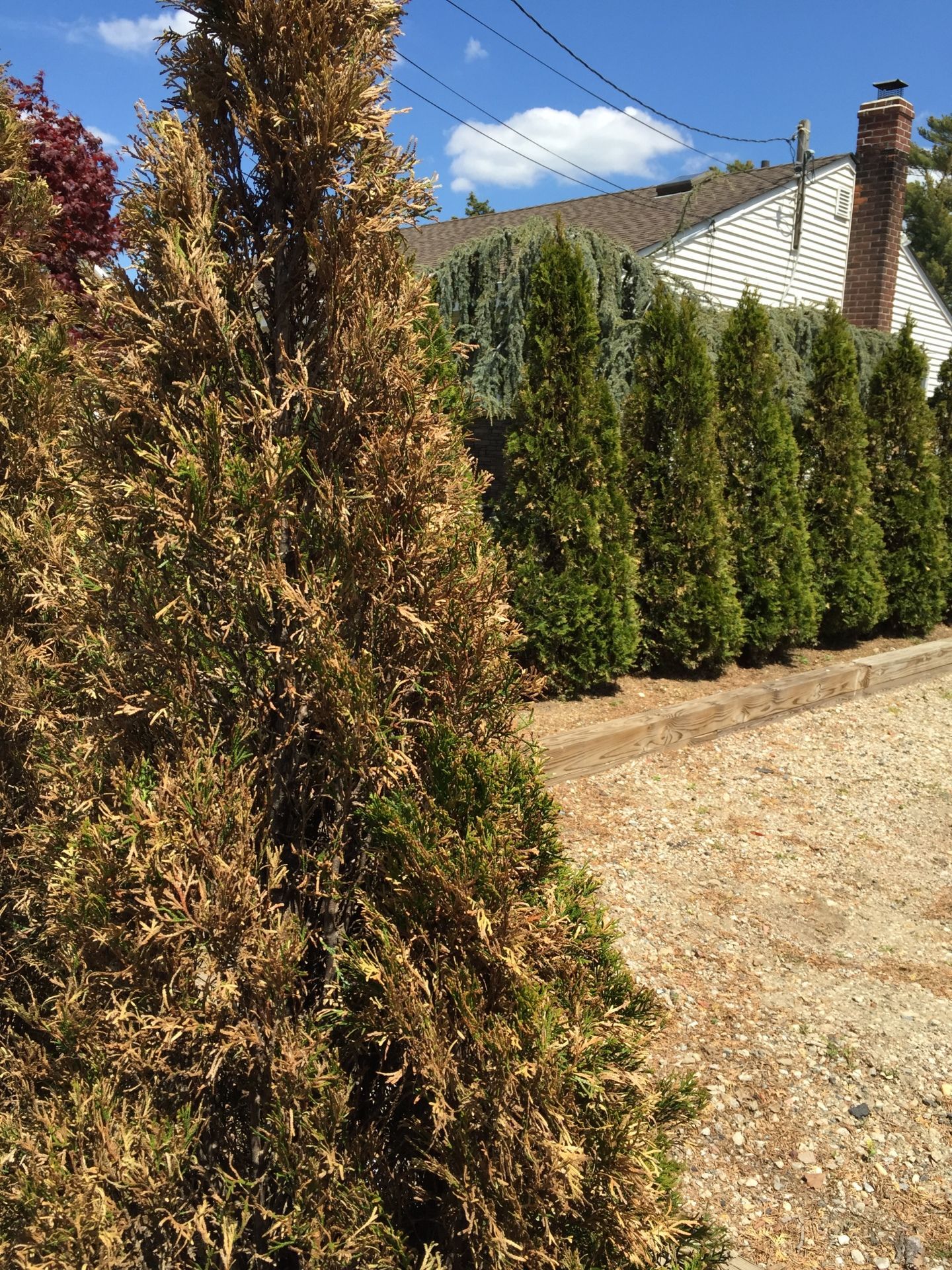
- Damage appears as yellowing, followed by browning and dieback
- Symptoms are often misdiagnosed as winter burn
- Larvae pupate inside the foliage and emerge as small silvery moths
- One generation occurs annually
Bagworms
Bagworms are attracted to arborvitae as well as many other evergreen and deciduous plants.
- Early infestations are difficult to detect
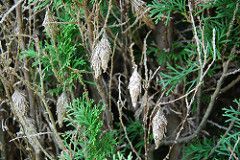
- Larvae create small, camouflaged cocoons using plant material
- Damage is often not noticed until feeding becomes severe
- Consecutive years of defoliation can kill arborvitae
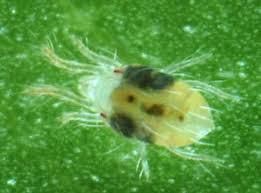
Spider Mites
Spider mites damage arborvitae by piercing foliage and extracting chlorophyll.
- Foliage loses its rich green color
- Yellowing, browning, and thinning occur
- Spruce spider mites and two-spotted spider mites are common offenders
- Populations can explode rapidly — up to 20 generations per year
Abiotic Stressors: The Hidden Threat to Arborvitae Health
In many cases, insect and disease outbreaks are triggered by underlying non-living stress factors that weaken the plant’s natural defenses.
Compacted Soils
Compaction reduces pore space needed for oxygen, water movement, microbial life, and nutrient exchange.
Nutrient Deficiencies & Soil pH Imbalances
Improper soil pH can:
- Lock nutrients out of reach
- Create toxic conditions
- Prevent proper nutrient uptake
Improper Planting & Watering
Poor drainage, overwatering, or improper planting depth can invite soil-borne pathogens, leading to:
- Root flare decay
- Collar rot
- Structural failure
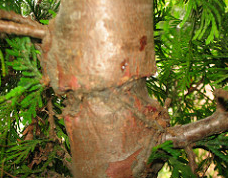
Girdling Issues
Neglected support cables, burlap, balling rope, or even self-girdling roots can strangle trunks and root systems, restricting nutrient and water flow.
Our Arborvitae Care Approach
Our Arborvitae Care services include:
- Detailed plant health evaluations
- Accurate diagnosis of biotic and abiotic stressors
- Targeted pest and disease treatments
- Soil and nutrient management strategies
- Ongoing monitoring and preventative care
Get Started Today